Dunellen General Contractor for Home Improvement and New Construction
Dunellen General Contractor for Home Improvement and New Construction
Blog Article
Why Picking the Correct General Contractor Is Critical for Your Project
Identifying the right general contractor is a fundamental decision that can markedly determine a project's fruition. A fit contractor secures well-organized handling and sticking to financial plans. Their competence to navigate problems and maintain distinct messaging is paramount. However, many project principals neglect critical factors in this vetting process. Appreciating these particulars can lead to finer consequences and heightened contentment. What should one think about when making this important choice?
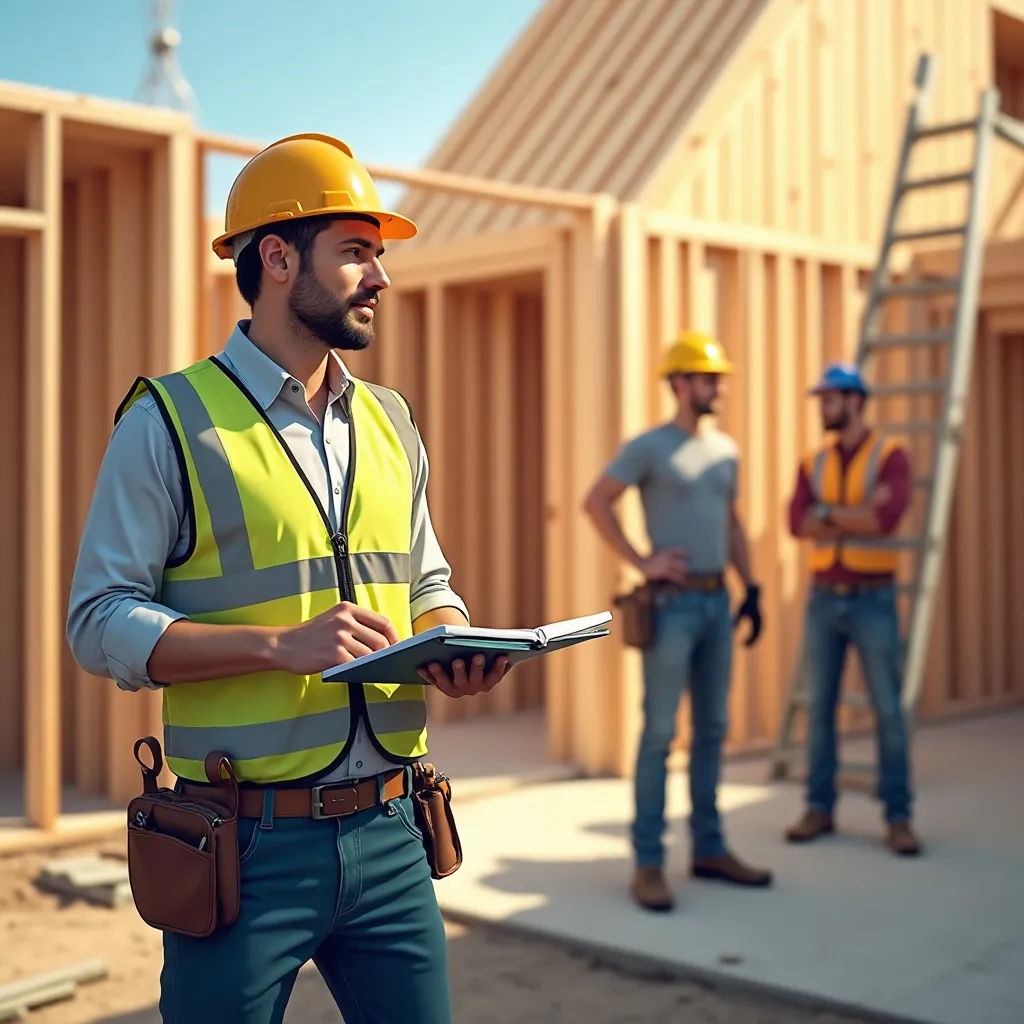
Routine Hurdles in Selecting a General Project Manager
When selecting a building contractor, potential clients often face several common difficulties that can hinder the selection process. One major obstacle is the overwhelming number of options available, which can lead to confusion and indecision. Clients may struggle to distinguish among contractors based on qualifications, experience, and pricing, rendering it challenging to determine who will best satisfy their construction requirements.
Another obstacle is the lack of transparency in contractor proposals, where hidden costs may surface subsequently, impacting the project budget. Additionally, clients may face issues concerning communication; some contractors may fail to keep clients informed throughout the procedure, creating dissatisfaction. In conclusion, clients often grapple with confirming a contractor's references and previous projects, which can result in doubt about the quality of service expected. These challenges require careful consideration and investigation to guarantee the right choice is made.
Importance of a Reliable General Contractor
A reliable general contractor plays an vital role in ensuring project management efficiency and maintaining quality assurance standards. Their expertise helps streamline processes, reducing expenses and delays. Additionally, a trustworthy contractor upholds high standards, resulting in superior craftsmanship and client satisfaction.
Improve Work Administration Performance
Efficient project management depends on the trustworthiness of a general contractor. A dependable contractor ensures that timelines are followed, resources are properly allocated, and communication runs seamlessly among all stakeholders. Their capability to manage subcontractors, suppliers, and laborers directly impacts the progress and overall success of the project. A trustworthy contractor minimizes delays and cost overruns This efficiency encourages collaboration, allowing adjustments and improvements as needed. Ultimately, the general contractor's dependability enhances both the operational facets of the project and confidence among clients and team members, ensuring everyone stays aligned toward a successful outcome.
Quality Assurance Benchmarks
Trustworthy construction professionals have a critical role in upholding quality guidelines throughout the project duration. They guarantee that the work meets established guidelines and industry standards, essential for the longevity and safety of the structure. A competent contractor oversees materials and workmanship closely, conducting routine inspections to spot and correct issues promptly. This proactive method lessens risks connected with poor construction, ultimately protecting the investment. Additionally, a reliable contractor encourages communication between all stakeholders, making sure expectations are transparent and met. Prioritizing quality assurance, a skilled general contractor not only enhances the final product but also builds client trust, setting the foundation for successful project completion.
Examining a Contractor's Experience and Credibility
When evaluating a general construction professional, grasping their experience and standing is vital, as these factors greatly influence project outcomes. A contractor's experience generally demonstrates their ability to manage various project types, complexities, and hurdles. Reviewing their portfolio provides insight into previous work, highlighting skill and careful attention to specifics.
Furthermore, reputation plays a crucial role in establishing trust. Prospective clients should look for web-based feedback, testimonials, and references to assess satisfaction levels from previous clients. Engaging with past customers can uncover the contractor's reliability, communication skills, and adherence to timelines and budgets.
Additionally, industry affiliations and certifications can boost a contractor's credibility, showing a pledge to high standards and principled practices. By thoroughly evaluating both experience and standing, clients can make informed decisions, ultimately paving the way for a successful construction project.
Essential Qualities of a Dependable Contractor
A trustworthy contractor regularly demonstrates integrity, transparency, and strong interpersonal abilities. These essential qualities create the foundation of a successful working relationship. Integrity ensures the contractor adheres to ethical practices, offering honest evaluations and practical timelines. Openness entails openly sharing assignment information, including costs and potential challenges, fostering trust between the contractor and the client.
Powerful communication abilities enable the contractor to convey ideas effectively, grasp client requirements, and tackle any concerns that arise during the project. Moreover, a reliable contractor exhibits adaptability, responding to changes and unexpected circumstances with poise and flexibility. Attention to detail is yet another key trait; it underscores a commitment to excellence and accuracy in every component of the work. In essence, these qualities not only strengthen project outcomes but also enrich a positive experience for clients, making the appointment of a dependable contractor all the more crucial.
Critical Topics to Address When Working With Your General Contractor?
How might someone ensure they pick the correct general contractor for their assignment? By posing a series of targeted questions, potential clients can more effectively evaluate candidates. To start, asking about the contractor's experience with similar projects provides insight into their expertise. It's also important to ask for references; speaking with previous clients can reveal the contractor's reliability and standard of work.
Next, examining licensing and insurance confirms that the contractor satisfies legal requirements and safeguards the client from potential liabilities. Clients should also ask regarding timelines and project management approaches to gauge how the contractor plans to handle the project efficiently.
Budget talks are important; requesting a thorough estimate prevents unexpected expenses later. Finally, understanding the contractor's communication style preferences can establish the foundation for a productive working relationship. By addressing these important inquiries, clients can choose wisely in selecting their general contractor.
Why Communication Matters With Your Contractor
Effective communication with a contractor is necessary for project accomplishment. Defining clear parameters and delivering immediate notifications can avert conflicts that often lead to costly interruptions. Additionally, promoting an honest dialogue explore this nurtures confidence, ensuring a more seamless collaboration throughout the construction undertaking.
Clear Requirements Create Success
Setting definite expectations is key for a strong partnership with a general contractor. Transparent communication paves the way for understanding the project's goals, deadlines, and budget limits. When both sides voice their needs and concerns, it minimizes the chance of misunderstandings that could stop progress. A contractor who understands the exact requirements can manage resources wisely and tackle potential problems proactively. Furthermore, having unambiguous expectations promotes accountability, confirming that the contractor fulfills promises and that the homeowner stays engaged in the process. Prioritizing open communication from the start allows clients to improve partnership and satisfaction, ultimately resulting in a smoother project delivery. Clear expectations simplify workflows but also cultivate trust between the homeowner and the contractor.
Timely Information Avoid Miscommunications
Establishing distinct expectations builds the foundation for successful collaboration, yet frequent communication is critically important. Consistent updates from a project manager can prevent confusion that could happen throughout a assignment. If contractors consistently communicate status updates, customers keep abreast of timelines, budget revisions, and potential obstacles. Such anticipatory engagement functions to harmonize each party's objectives and minimizes the risk of disputes in the future. In addition, if problems arise, rapid communication permits quicker fixes, maintaining the project on track. Through developing a culture of honest dialogue, contractors demonstrate their dedication to the work's achievement, in the end creating a smoother operation and higher client happiness. Thus, timely communications serve as a cornerstone in maintaining comprehension and confidence during the construction process.
Open Conversation Creates Trust
While a project moves along, keeping an open dialogue with the primary contractor becomes critical for nurturing trust and collaboration. Solid communication assures that all involved parties have a clear understanding of goals, deadlines, and potential challenges. When contractors and clients engage in ongoing conversations, it permits for the identification of issues before they intensify, minimizing delays. This transparency not only builds trust but also boosts the overall project experience. Moreover, an established communication pathway encourages feedback, empowering the contractor to make changes that align with the client's vision. Ultimately, strong communication sets up a foundation of mutual respect, which is essential for the effective completion of any construction work. Trust cultivated through dialogue leads to superior results for everyone involved.
Frequently Asked Questions
How can I verify if a Contractor possesses a certification?
To check if a contractor is licensed, one should check local licensing boards or websites, confirm their license number, and confirm it's active. Additionally, reviewing online reviews can provide insight into their trustworthiness and dependability.
What Insurance Does My Contractor Require?
A contractor must have broad coverage protection, employee injury coverage, and, if relevant, errors and omissions coverage. These protect against possible harm, workplace injuries, and errors in workmanship, guaranteeing financial protection for both the contractor and the customer.
How Do I Validate a Contractor's Past Work?
To verify a contractor's credentials, one should request a compilation of past customers, reach out to them personally, and inquire about their experiences. Furthermore, examining online reviews and ratings can offer useful information into the contractor's trustworthiness.
What Must I Do if Issues Emerge During the Initiative?
If problems emerge during the project, one should document the concerns, speak openly to the contractor, and find a solution. If necessary, bringing in a mediator or consulting a legal professional may also be fitting.
Are There Red Flags to Monitor During the Hiring Process?
Problem indicators during the hiring process feature unclear pricing, absent references, weak communication, partial licenses, and poor online reviews. These indicators reveal conceivable difficulties that might impact the project's quality and timeline.
Report this page